
Carbs Aren’t the Enemy
- Claire Said
- Jun 11, 2025
- 4 min read


“You don’t need to cut out carbs. You need to cut out the guilt.”
Carbs have been blamed for everything from weight gain to low energy to bloating.
If you've ever tried cutting out bread, skipping pasta, or feeling guilty after eating potatoes, you're not alone.
But listen up:
Carbohydrates are not the enemy.
In fact, your body needs them to function, feel energised, and thrive.
At Claire Cares Wellness, I work with women every day who have spent years fearing food groups, especially carbs. This blog post will help you understand what carbs actually are, why they’re important, and how to include them in your life in a balanced, nourishing way.
What Are Carbs, Really?
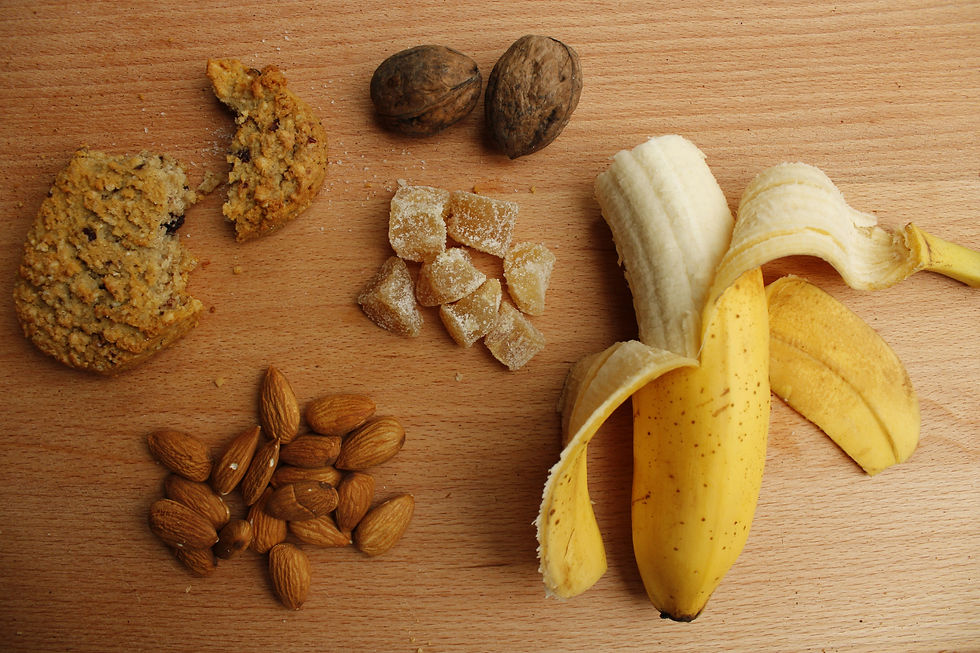
Carbohydrates are one of the three macronutrients our body needs to survive (with the others being protein and fat). The main role of carbohydrates is to provide energy to the body, including the brain.
When you eat carbs, your body breaks them down into glucose (a type of sugar), which is used as fuel.
Your muscles, organs, and especially your brain rely on this fuel to function properly.
Carbs are found in:
Fruits and vegetables
Whole grains like oats, brown rice, and quinoa
Starchy vegetables like potatoes, sweet potatoes, and corn
Legumes such as lentils and chickpeas
Bread, pasta, and cereals
They’re not just “sugar” — they’re the foundation of your body’s energy system.
What Happens When You Don’t Eat Enough Carbs?

When carbs are restricted too heavily (as they are in low-carb or keto diets), the body must find alternative sources of energy. While this might cause initial weight loss, it also causes:
Fatigue: Your energy dips, workouts feel harder, and even getting out of bed can feel like a struggle.
Brain fog: The brain loves glucose. Without it, focus and clarity can go downhill quickly.
Mood swings and irritability: Your body is hungry — and your emotions feel it too.
Constipation: Fibre-rich carbs (like oats, vegetables, and legumes) keep your digestive system moving.
Disordered eating patterns: Many women find themselves binging or emotionally eating after periods of carb restriction. The guilt cycle begins again.
At Claire Cares Wellness, I’ve seen it time and time again: women blaming themselves for “falling off” when really, their body was simply starving for fuel.
Simple vs Complex Carbs — What’s the Difference?
Carbs can generally be split into two categories:
1. Simple Carbohydrates

These are digested quickly and can cause a rapid spike in blood sugar.
They’re found in:
White bread and pasta
Sweets and pastries
Fizzy drinks
Some processed cereals
Simple carbs can give you a quick burst of energy, which can be useful in certain situations, like a light pre-workout snack.
Example: A slice of toast or half a banana 30 minutes before a workout can give your muscles the fuel they need without weighing you down.
2. Complex Carbohydrates

These are digested more slowly and provide a steady, lasting source of energy. They're packed with fibre, vitamins, and minerals.
You’ll find complex carbs in:
Whole grains (quinoa, brown rice, oats)
Legumes
Starchy vegetables (potatoes, sweet potatoes, corn)
Fibre-rich fruits (apples, berries, pears)
Complex carbs help:
Regulate blood sugar
Keep you full for longer
Support digestion
Provide essential nutrients
These are the carbs I love to work with at Claire Cares Wellness — not because they’re “better,” but because they support your goals in a realistic, sustainable way.
Let’s Talk About Starchy Veg

Poor potatoes — they’ve had such a rough time in the wellness world.
But starchy vegetables like potatoes, sweet potatoes, and corn are excellent sources of complex carbs. They’re also full of:
Potassium
Vitamin C
Fibre
Natural sweetness and satisfaction
Pro tip: Roast a batch of sweet potatoes or boil baby potatoes and keep them in your fridge. They’re brilliant additions to nourish bowls, salads, or post-workout meals.
When Each Type of Carb Works Best

There’s no “good” or “bad” here — just context.
Simple carbs (like toast, fruit, or rice cakes) can be helpful:
Pre-workout
When you need quick energy
If you’re feeling faint or light-headed
Complex carbs (like oats, lentils, and potatoes) are great:
At breakfast for steady morning energy
With lunch to avoid afternoon crashes
At dinner to support fullness and rest
The trick is to listen to your body. Pair carbs with protein or fat to slow digestion and boost satiety.
So, Should I Stop Fearing Carbs?

Yes. Please.
Carbs are not something to “earn” or “burn off.” They are food. They are fuel. They are part of a balanced, joyful life.
At Claire Cares Wellness, I teach my clients how to understand carbs — not fear them. That means:
Learning which carbs help you feel energised and satisfied
Knowing how to use them to support workouts, hormones, and digestion
Letting go of guilt and listening to your body’s signals
Final Thoughts: You Don’t Need Less Food. You Need More Understanding
You deserve to eat in a way that feels grounded and supportive, not restrictive and confusing.Carbs are part of that. Always have been.
If you're tired of battling your body, restricting food groups, or overthinking every meal — I’m here to help.
📩 DM or book your free consultation today. At Claire Cares Wellness, I’ll help you build a relationship with food that’s based on nourishment, not rules.


Comments